Skip to content

Integration must start with people’s lives, not system structures

25 November 2025
By Ian McCreath, Think Local, Act Personal (TLAP) Director

Integration is often framed as a technical challenge, a matter of aligning organisational processes, merging budgets or fixing data flows. But this framing misses a fundamental point. Integration is not a system problem; it is a human one. It begins with life – with the relationships, choices and freedoms that make us who we are. When we start with structures rather than lives, we create complexity instead of clarity, and people pay a high personal price.

“I have care and support that enables me to live as I want to, seeing me as a unique person with skills, strengths and personal goals.” (Making it Real)

At SCIE and The Access Group’s third roundtable in the four-part series on national care standards, participants were clear – national standards for integration must be rooted in co-production, equity and lived experience. This echoes the learning from the previous roundtables. Standards cannot simply codify organisational convenience or system design preferences. They must reflect and help to improve what matters to people – living a good life, maintaining connections, and having real choice and control.

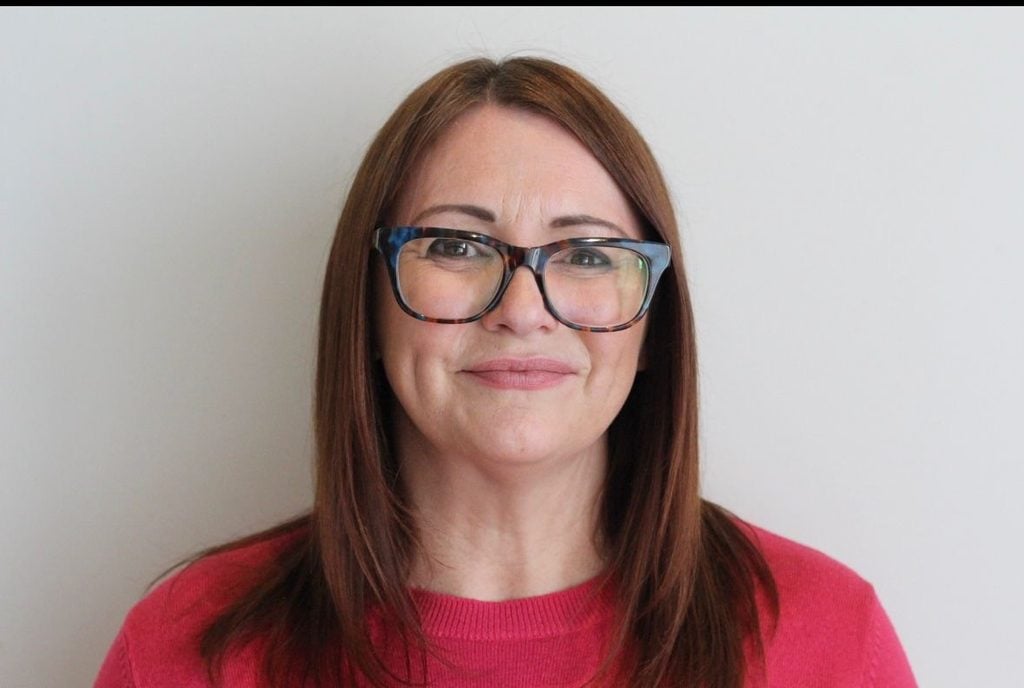
Image of Director of TLAP Ian McCreath

Yet current systems often prioritise risk management and compliance over human-centred factors and people’s choices. Today, people navigate fragmented pathways, repeating their story multiple times, while integrated care and support, as currently conceived, often adds complexity rather than removing it.

National standards of care must change this dynamic. They must organise care and support around people’s lives, not institutional boundaries. Done well, they can drive cultural change, incentivise collaboration and protect rights. Done badly, they risk reinforcing silos and stifling innovation. The question is not whether we need standards, but what kind of standards we choose to create and who we involve in creating them.

Co-production as a non-negotiable principle for developing care standards

Roundtable participants were unequivocal: co-production must be genuine, not tokenistic. Too often, the term is diluted into consultation or engagement exercises that leave power untouched. When people say co-production, they must mean co-production – sharing decisions, shaping priorities and holding influence throughout design, implementation and monitoring.

Lived experience must be at the heart of developing standards, and engagement must be meaningful, not box-ticking. This means including diverse voices – particularly those often unheard, such as people with dementia, learning disabilities or complex needs – alongside those most confident in speaking up.

Values-based standards

If national standards are to make a meaningful difference, they must be anchored in values rather than reduced to technical outputs or compliance checklists. Values are the compass that guides decisions when systems are under pressure, when resources are stretched, and when complexity threatens to overwhelm clarity. They tell us not only what we measure, but why it matters. Without a clear articulation of values, standards risk becoming hollow instruments – rules without purpose, processes without meaning.

The roundtable discussions made this point powerfully. People do not experience care and support as a series of transactions; they experience it as part of their life, built on trust and relationships. Standards must therefore express what we collectively value in those lives: dignity, autonomy, connection, and fairness. These values are not abstract ideals; they are practical principles that shape the experience of care and support. They determine whether someone feels heard and respected when planning their support, whether they can maintain relationships and hobbies, whether they have real choice and control over who supports them, when and how.

Making it Real offers a strong foundation for this values-based approach. Its “I” and “We” statements are not technical specifications; they are expressions of shared values.  These statements capture what matters most and translate values into lived experience. They are already embedded in regulation and co-produced with people who draw on care and support. Rather than reinventing the wheel, national standards should build on this work, using these statements as a common language across systems.

The need for a common language across systems

Indeed, one of the most striking themes from the discussion was the absence of a common language across health, social care and support, housing and community systems. Each part of the system speaks its own dialect – activity levels in the NHS, outcomes in social care, compliance in regulation – and these languages rarely translate. Without a shared vocabulary, it’s easier for professionals to work in silos, where people hit barriers or fall through the gaps.

National standards must help create this common language. It should be simple, human and focused on what matters to people. It should enable conversations across boundaries, particularly at key touchpoints such as hospital discharge or transitions into adulthood, where fragmentation is most acute. A shared language is not just a technical fix; it is a cultural one. It signals that success is measured by the lived experience of people, as well as by organisational metrics. It allows different parts of the system to see themselves as part of one team around one person. Without it, integration will remain an aspiration rather than a reality.

Tools like TLAP’s Language resources and tools show what this can look like and explore how language shapes culture and power. If we want integration to succeed, we need language that is clear, human and free from jargon – language that signals purpose, not process.

A foundation for fairness and flexibility

Equity emerged as a central principle in the roundtable discussions. Participants agreed that national standards must set a baseline of rights and expectations to tackle postcode lotteries and other care inequities, ensuring that protected characteristics or where you live do not determine the quality or availability of care and support.

Equity is not just about equal access; it is about equal dignity and opportunity. It means recognising that people’s lives differ and that local flexibility is vital to respond to those differences. A national framework should guarantee fundamental rights while enabling local partners to innovate and personalise support. This balance is delicate but necessary. One of the acknowledged tensions is between standardisation and personalisation. An overly prescriptive approach to care standards would risk stifling creativity, perpetuating inequalities and limiting personalisation of care.

“I can choose who supports me, and how, when and where my care and support is provided.” (Making it Real)

Where do we go next?

National standards must be anchored in co-produced values, not technical specifications. Specifically for integration, standards could focus on improving care at the key touchpoints where fragmentation hurts most. They must mandate meaningful co-production and inclusion of diverse voices. Metrics should align with lived experience, not solely institutional convenience. They must protect choice and flexibility as non-negotiable rights. Importantly, these care standards must address structural barriers that interfere with the benefits from integration – pooled budgets, aligned incentives and cultural change. They must make data sharing work for people, not just systems, and they must create a common language that unites different parts of the system around a single purpose: supporting people to live the lives they choose.

Integration begins and ends with people. Standards are not an end in themselves. They are a lever for change – a way to build care around life, not life around care.

As a not-for-profit charity, SCIE supports the development of innovative solutions to address challenges faced by children and families, helping ensure high quality, co-produced, ethical and evidence-based practice.

Connect with us

Contact details for the SCIE press office

Free MySCIE account

Get SCIELine ebulletin & access all resources.